


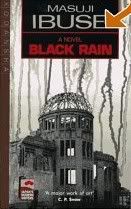
 I waited six months to get my hands on a copy of this book, eager to read it because it is supposed to be one of the best in the genre. The anticipation made me a little hesitant when beginning it, putting it off for another few weeks because I had high hopes- hopes that were fulfilled.
Ibuse bases his story on interviews and diaries of survivors, using real many authentic incidents. But this is also the partially fictional tale of Yasuko and her family as they struggle with life and acceptance following the bombing of Hiroshima. Though not in the direct line of the bomb and suffering no noticeable injury or illness but having been caught in the 'black rain' that fell after, Yasuko has to worry about the future of not only herself but any children that she may have. This is one of the reasons that though of marrying age she has as of yet succeeded in securing a husband and the cause for both her and her Uncle Shizuma to begin copying their diaries from the day of the bombing and the days following. The novel goes backwards and forwards in time, giving the reader a sense of what it is like for the people who lived through the atrocity, as well as horror that was the bombing itself and the aftermath.
It's all matter of fact, never shying away from the gory detail to appease the reader, never adding drama where it isn't needed but still manages to convey the suffering.
As an Australian reading this some fifty years plus after Hiroshima you could assume that it would be difficult to understand many of the emotions and customs that come up in the book (as I did with On The Beach, feeling as though the characters were cold and lacking certain emotions or attachments, but realizing that this was because of the generational gap), but Ibuse still managed to convey an image that crosses generations and cultures.
You become involved with Shizuma's and any other's plight, the predicament that Yasuko finds herself and the desperate fight for survival during wartime. You want it to turn out to the best for them, knowing full well the horror that is nuclear warfare. It's impossible not to see how indiscriminate it is and wonder why anyone would ever use such horrific force then, and especially now when we know how awful the truth is.
It is such a superb book that should be on anyone's must read list (and sent to every leader who has nuclear capabilities).
Labels: Japanese, Masuji Ibuse
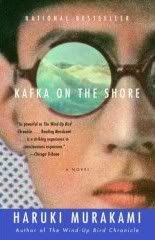 Kafka on the Shore is what would happen if Franz Kafka and Chuck Palahniuk got together and had a baby.